More Than Medals: A Decade-Long Journey to Paris
Nick Sore reflects on medals, awards and the role of sport in refugee empowerment and global recognition
By Nick Sore
As the world celebrated the performances of refugee athletes at the Paris 2024 Olympic and Paralympic Games, I found myself reflecting on how far the joint programmes between UNHCR and the IOC and IPC had come.
Three medals. Countless moments of courage. Historic recognition on the world's biggest sporting stage.
For many people, the medals won by members of the Refugee Olympic and Refugee Paralympic Teams in Paris represented an extraordinary sporting achievement. They were exactly that. But for those of us who have been fortunate enough to witness the evolution of these initiatives over many years, they represented something even more significant: the culmination of almost a decade of collaboration, advocacy and belief that refugees belong in sport at the highest level.
The creation of the Refugee Olympic Team in 2016 was a landmark moment. For the first time, athletes who had been forced to flee their homes could compete not as representatives of a nation-state, but as representatives of hope, resilience and the more than 100 million displaced people around the world.
What began as a bold idea steadily grew into a globally recognised symbol of inclusion. Behind every athlete selected for Paris stood years of commitment from the International Olympic Committee, the International Paralympic Committee, National Olympic Committees, sports federations, coaches, communities and individuals working together to ensure that refugee athletes could continue their sporting journeys despite displacement.
The recognition of that effort came even before the first medal was won.
During the Opening Ceremony of the Olympic Games, UN High Commissioner for Refugees Filippo Grandi received the Olympic Laurel from IOC President Thomas Bach. The award, one of the Olympic Movement's highest honours, recognised the role that sport can play in advancing peace, solidarity and the protection of displaced people.
It was a powerful moment. A moment that acknowledged not only the achievements of individual athletes, but also a growing global commitment to ensuring that refugees are not defined by the circumstances that forced them to flee.
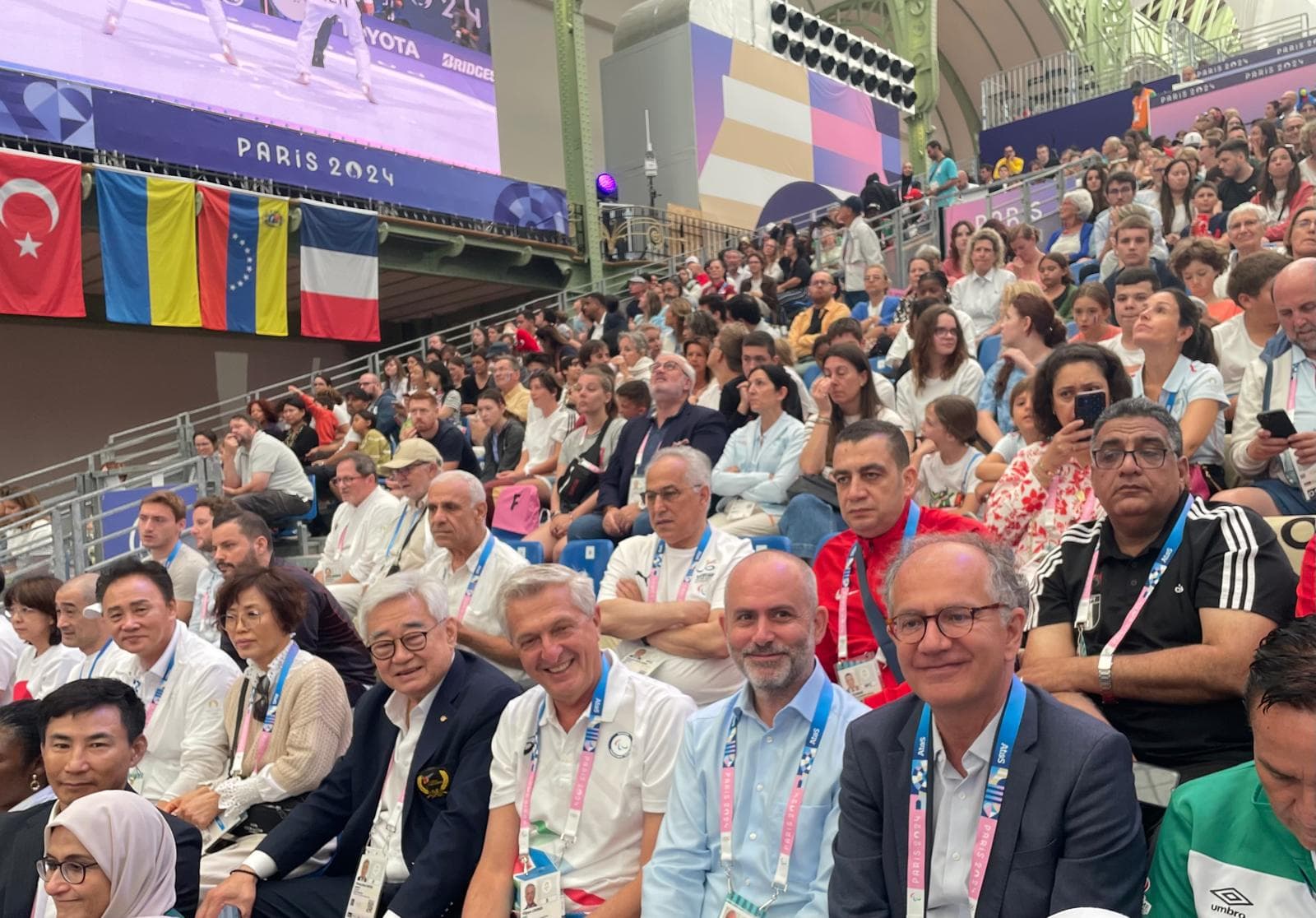
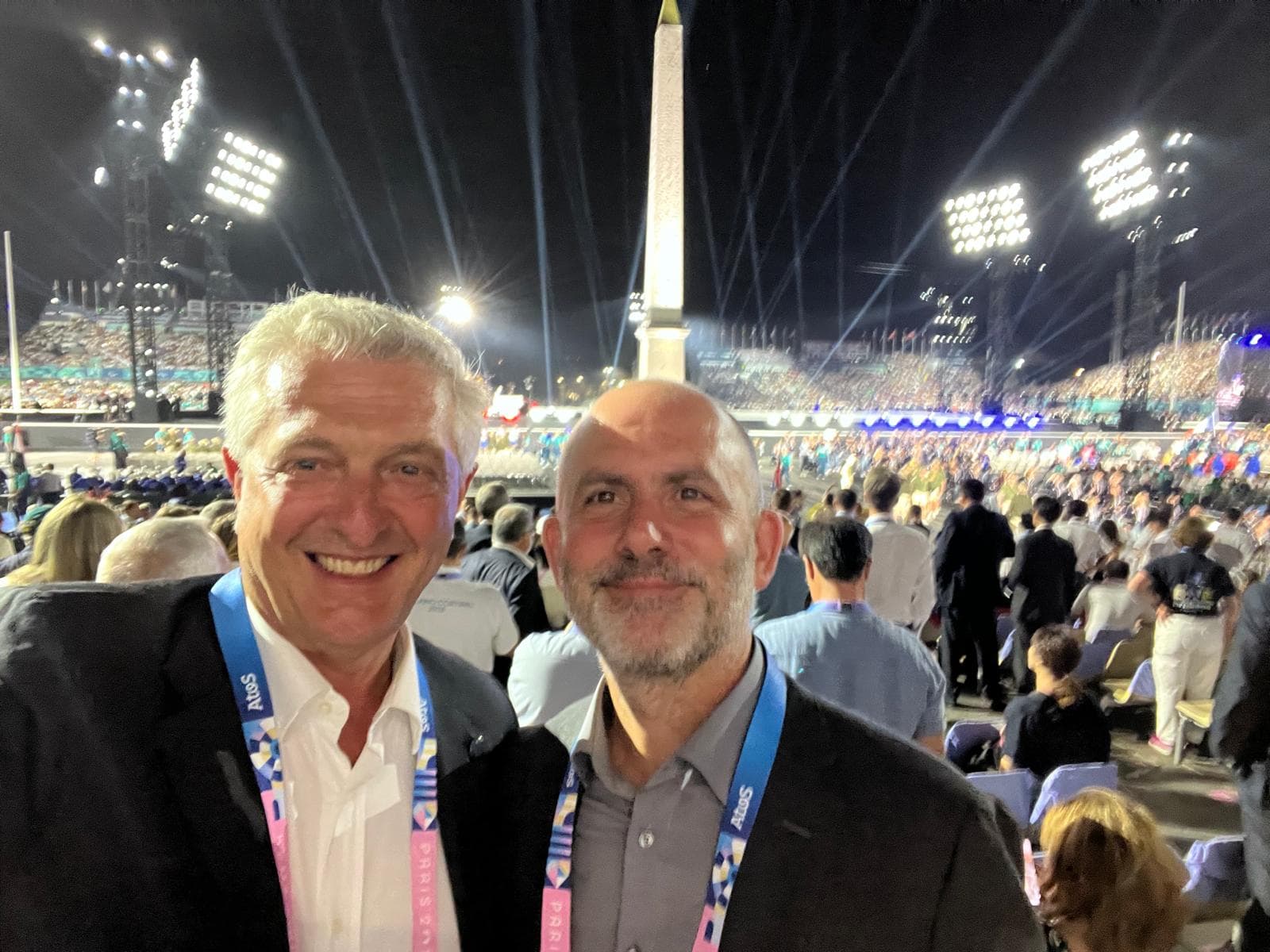
Unfortunately, I was unable to attend the Olympic Opening Ceremony myself. However, I had the privilege of attending the Opening Ceremony of the Paralympic Games a few weeks later. Standing among athletes, officials and supporters from around the world, I could feel the same sense of possibility and purpose that has characterised this journey from the beginning.
One of my favourite memories from Paris is a photograph with the High Commissioner. Looking at it now, I am reminded not only of a celebratory moment, but also of the years of work that preceded it. The countless meetings, partnerships, training programmes, athlete scholarships, policy discussions and advocacy efforts that slowly transformed an ambitious concept into a sustainable and respected part of the international sporting landscape.
The medals won in Paris matter. They provide visible proof that refugee athletes can not only participate but excel. They inspire displaced young people around the world to dream bigger. They challenge assumptions about what refugees can achieve when given access to opportunity and support.
Three medals will be recorded in the history books. But the real achievement is much larger.
It is the creation of a pathway through which refugees can pursue excellence, represent hope and demonstrate to the world that displacement does not diminish talent, ambition or human potential.
That may prove to be the most enduring legacy of Paris 2024.